What’s inside:

Kanban and PAR inventory systems are used across most healthcare organizations, but many are still managed manually, creating unnecessary workload and inefficiencies.

In this article, you’ll learn how to automate hospital Kanban and PAR systems using your existing setup, including:

  • The benefits of automation over manual Kanban and PAR processes
  • How wireless, weight-based PAR bins fully automate high-volume inventory
  • How electronic shelf labels (ESL) digitize Kanban signaling without replacing bins
  • How mobile apps enable fast, low-disruption inventory automation
  • Why many hospitals adopt a hybrid approach to scale automation across departments
  • How centralized software provides real-time visibility, automation, and control

Hospitals using manual Kanban or PAR systems often assume automation means replacing their entire setup. In reality, it is possible to automate hospital Kanban and PAR systems using your existing infrastructure.

With manual systems, stock counts are only accurate at the moment they are taken and can become outdated within minutes. Expiry risks and stock inaccuracies can impact both patient safety and hospital compliance, while reordering often relies on guesswork instead of real-time data.

Manual work causes inefficiencies, leading to inflated inventory levels, unnecessary costs, and frequent stockouts or surpluses.

If you are looking to automate hospital Kanban and PAR systems, the key is choosing the right approach based on your current setup, inventory type, and level of automation needed.

This guide outlines three proven ways to do it, based on your current workflow and level of automation needed.


1. Fully Automate High-Volume Inventory with Weight-Based PAR

Best for: Hospitals that want to fully automate high-volume or bulk inventory with minimal staff involvement

Weight-based PAR is recognized to be the most effective way to automate your inventory management of bulk medical supplies. This is the best option if your goal is hands-off automation with minimal reliance on staff intervention.

If your team is still manually counting bulk supplies or relying on periodic PAR checks, weight-based automation removes the need for inventory rounds entirely.

Built-in scales provide continuous visibility based on actual stock levels, eliminating the need for periodic checks. Historically, these systems required large, fixed units connected to power sources, which limited flexibility.

Automate Hospital Kanban and PAR Systems offer real-time visibility and updated inventory data into all products
IDENTI’s Wireless PAR Weighing Bin

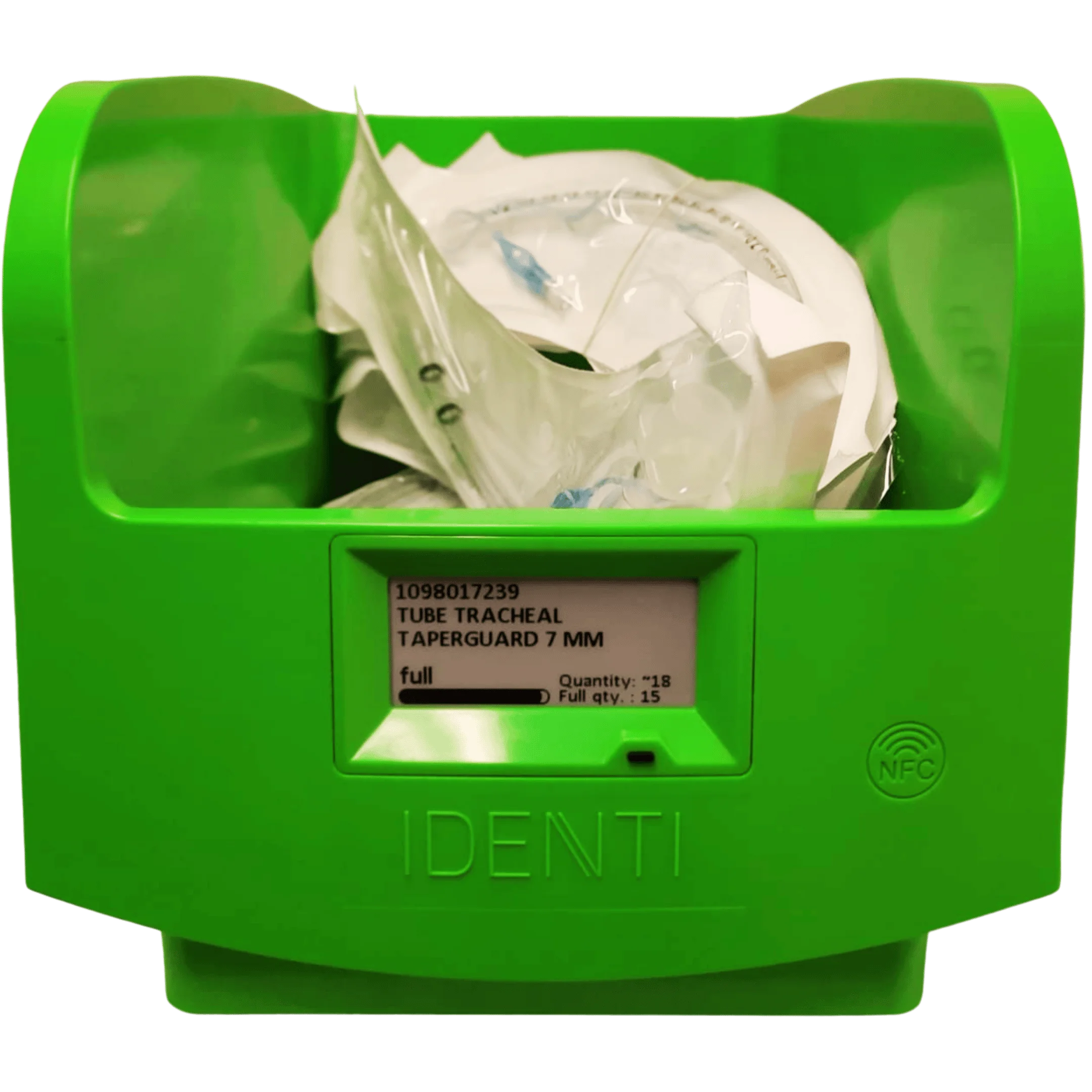
IDENTI’s Wireless PAR Weighing Bin is a digital, weight-based unit that continually measures supply levels and automatically generates a restock order when the pre-set threshold is reached.

With no upfront hardware costs or investments required, they integrate easily into existing PAR locations and storeroom configurations, making inventory management more efficient than ever.

When stock hits the predetermined level from smart scale monitoring, the bin automatically creates an inventory order according to the items’ weight.

The electronic display provides real-time updates, including current quantities, PAR levels, and reorder status. In the event of a stockout, the system can guide staff to suitable alternatives to maintain workflow continuity.

Unlike manual PAR processes, weight-based systems remove human error and provide continuous, real-time inventory accuracy. Hospitals using this approach often see significant reductions in stockouts, overstocking, and expired items, while freeing up clinical staff from time-intensive inventory tasks.

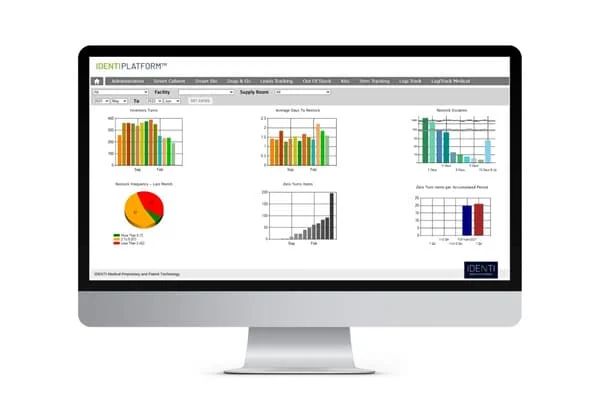
AI-driven analytics capture usage patterns and stock levels through the IDENTI platform, giving teams full visibility and control.

This approach is typically chosen by hospitals that want to eliminate manual counting and ensure consistent availability of high-volume supplies without relying on staff intervention.


2. Add Digital Kanban Signals with ESL (No Bin Replacement)

Best for: Hospitals using two-bin Kanban systems that want to digitize signaling without replacing bins or shelving

IDENTI’s Digital Display Tag is an electronic shelf label designed specifically for healthcare environments. It attaches to existing shelving and Kanban setups, enabling automatic tracking and reordering without changing your physical infrastructure. This is the most practical option if you want to upgrade an existing Kanban system without changing your physical infrastructure.

ESL helps automated hospital kanban and par systems with digital, automatic stock monitoring
IDENTI’s Digital Display Tags replace static barcode labels

With ESLs, there is no need to replace bins or reconfigure storage. Hospitals can automate hospital Kanban and PAR systems by adding a digital signaling layer to existing shelves and workflows.


These digital tags support both Kanban and PAR workflows, depending on supply type and location. Built with NFC capability, they allow staff to easily connect, manage stock, and trigger reorders.

By combining existing two-bin Kanban processes with RFID technology and cloud-based software, hospitals can convert manual systems into digital inventory workflows. Staff can signal low stock directly from the bin, triggering automated replenishment without relying on manual tracking.

This eliminates the need for physical cards, barcode scanning, printing, or labeling; replacing static labels with dynamic, real-time inventory.

Electronic shelf labels function as a digital Kanban signaling system, replacing manual visual cues with real-time, connected inventory data. This improves responsiveness and reduces missed restock signals.

With ESLs, there is no need to replace bins or reconfigure storage. Hospitals can modernize their Kanban system by adding a digital signaling layer to existing shelves and workflows.


3. Digitize Your Workflow with a Mobile Kanban & PAR App

Best for: Hospitals that want to start automating Kanban and PAR workflows immediately without adding hardware

IDENTI’s mobile app offers various management tools for full visibility and control over inventory in real time.

This is the fastest way to automate hospital Kanban and PAR systems, especially for teams transitioning from fully manual processes.

Through the app, users can:

  • View real-time product data, including quantity, expiration dates, usage history, and backorder status
  • Initiate and track restock requests
  • Monitor inventory exceptions such as stockouts, overstock, or delays

Because bins and ESL tags are NFC-enabled, staff can easily connect the app to each supply point. This creates a quick and efficient way to automate hospital Kanban and PAR systems with minimal disruption.

Mobile-first inventory management allows hospitals to transition from manual to digital workflows quickly. It also improves communication between clinical and logistics teams, reducing delays and increasing order accuracy.

Hospitals often start here when speed, simplicity, and minimal investment are the top priorities.

Bonus Option: Go Hybrid

Most hospitals do not rely on a single method. Instead, they combine solutions based on inventory type, usage patterns, and operational needs.

With IDENTI’s hybrid approach, hospitals can switch to automated management of both bulk and high-value supplies across multiple storage environments.

All Kanban and PAR solutions are connected through the IDENTIPlatform, allowing material managers to maintain a complete view of inventory across locations.

By using a hybrid model, hospitals can automate hospital Kanban and PAR systems across different inventory types while maintaining flexibility and control. This approach is typically adopted by hospitals looking to scale automation across departments while maintaining flexibility and control.


Automate Hospital Kanban and PAR Systems Powered by One Platform

IDENTI’s solutions are supported by IDENTI’s central AI platform that provides:

  • Real-time inventory visibility
  • Automated replenishment
  • Data-driven insights and reporting

Because all solutions are connected through one platform, hospitals can scale automation gradually while maintaining full visibility and control across departments. The platform enables data-driven decision-making, helping hospitals optimize inventory levels, reduce waste, and improve overall supply chain performance. With simple integration to your hospital systems, teams receive up-to-date, reliable data you can use for analytics, ERP, EHR, and suppliers’ ERP.

IDENTI makes it easy to digitize existing Kanban and PAR systems. Hospitals using these solutions have achieved up to a 40% reduction in inventory levels, significantly lowering costs and waste.

In a case study of a hospital that implemented a hybrid Kanban and PAR system, the following results were achieved:

  • 90% increase in nurse satisfaction
  • Up to 60% reduction in orders through consolidation
  • 50% reduction in time spent by logistics staff in clinical areas
  • 90% reduction in stock shortages

Hospitals no longer need to choose between manual systems and full replacement. They can automate hospital Kanban and PAR systems by layering the right combination of solutions onto existing workflows.

The key is selecting the approach that fits your current setup and scaling from there.

By reducing manual inventory tasks and improving supply visibility, clinical staff can focus more on patient care rather than stock management.

If you are evaluating how to automate hospital Kanban and PAR systems, the next step is to identify which solution aligns with your operational priorities and implementation timeline.

Contact us today to see how you can automate hospital Kanban and PAR systems using your existing setup.

FAQ: How to Automate Hospital Kanban and PAR Systems Without a Full System Overhaul

Hospitals can automate Kanban and PAR systems by layering digital solutions onto existing workflows rather than replacing them. Options include weight-based PAR bins for bulk inventory, electronic shelf labels to digitize Kanban signaling, and mobile apps to manage inventory in real time. These solutions integrate with current storage setups and allow hospitals to automate processes without major disruption.

The best approach depends on your current setup. Hospitals using two-bin systems often choose electronic shelf labels to digitize Kanban signaling without replacing bins. For more advanced automation, combining ESL with mobile apps or analytics platforms provides greater visibility and control. The right solution depends on how much automation and infrastructure change is required.

Kanban systems typically use a two-bin method where supplies are reordered when one bin is empty, while PAR systems maintain a fixed stock level and trigger replenishment when inventory drops below a threshold. Both systems are widely used in hospitals, and both can be automated using digital tools to improve accuracy, reduce manual work, and ensure consistent supply availability.

Automating hospital inventory systems improves accuracy, reduces manual workload, and minimizes stockouts and overstocking. Benefits include real-time visibility into inventory levels, enabling faster replenishment, and freeing up clinical staff to focus on patient care. Many hospitals also see cost reductions and improved operational efficiency after implementing automation.

Yes, hospitals can automate PAR systems without major hardware changes by using solutions like mobile apps or software platforms that track inventory digitally. However, for full automation of bulk supplies, weight-based PAR bins provide the most accurate and hands-off approach. Many hospitals start with software-based solutions and expand into hardware as needed.

Sign up for our digital library

About the author

Or is the Head of Marketing and Strategic Partnerships. She has a wealth of experience in the health–tech sector. Her innovative marketing strategies have successfully driven IDENTI’s growth in multiple worldwide markets. Her strength is the ability to identify what truly resonates within the industry. She is passionate about building relationships and her expertise lies in creating meaningful partnerships with healthcare providers, distributors, and suppliers..