
What’s inside:

Healthcare organizations are facing growing medical device supply chain challenges, including inventory waste, poor visibility, rising supply costs, product variance, and inefficient forecasting.

For hospitals, IDNs, ambulatory surgery centers, and healthcare providers, these supply chain inefficiencies can increase operational costs, create inventory shortages, and impact patient care.

This article explores five common healthcare and medical device supply chain challenges and how modern inventory management technology helps organizations improve visibility, reduce waste, and optimize supply chain performance.

Healthcare organizations face growing pressure to reduce costs while improving medical device supply chain efficiency.

The medical device supply chain presents significant opportunities for healthcare organizations to improve inventory control, reduce waste, and increase operational efficiency across hospitals, IDNs, and ambulatory surgery centers.

This article explores five common healthcare supply chain challenges that can drain budgets and impact operational performance, and how inventory management technology can help address them.

1. Lack of Real-Time Inventory Visibility

In many hospitals, inventory data is still managed manually or across disconnected systems, making accurate forecasting and replenishment difficult. Without real-time inventory visibility, healthcare organizations can struggle to accurately track medical devices and supplies across departments and facilities. This lack of visibility often leads to: 

  • Expired inventory
  • Surplus stock
  • Unnecessary reordering
  • Supply shortages


To tackle this issue, organizations must strive for real-time inventory visibility through technologies such as RFID inventory tracking, smart cabinets, and automated expiry management systems. This will give a clear picture of stock and consumption, which will in turn inform demand forecasting. By harnessing accurate, data-driven insights, hospitals can more efficiently manage their medical device inventory as part of a smarter medical device supply chain strategy, reducing the cost of unnecessary stock.

2. Excess Waste and Expired Medical Devices

Expired or unused inventory is especially common in procedure-based departments where high-value implants and specialty devices are stored across multiple locations. One survey found that US hospitals were losing $25.7 billion annually due to unnecessary supply chain expenditures and related processes.

Healthcare organizations can reduce supply chain waste by:

  • Implementing automated expiry management systems that prioritize older inventory
  • Improving accountability through user and item tracking
  • Investigating unused or removed inventory before it expires


Reducing waste not only optimizes the budget but also aligns with sustainable and responsible healthcare practices.
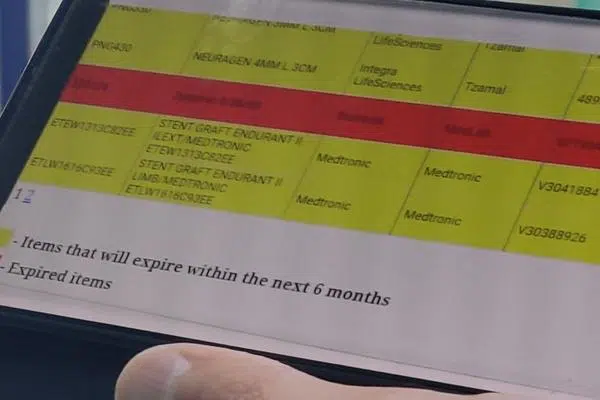
 

IDENTI Platform Report on Soon to Expire Items
IDENTI Platform Report on Soon-to-Expire Items

3. Product Variance and Standardization Challenges

Minimizing product variance plays a pivotal role in supply chain budget optimization. Product standardization initiatives can also help reduce clinician preference variation and improve purchasing leverage.

 Healthcare organizations can achieve this by: 

  • Consolidating the supplier base
  • Reducing orders of similar products from multiple vendors. 
  • Benchmarking pricing variance to identify the best-value products 
  • Involving clinicians in supply chain discussions and promoting standardization through Value Analysis Committees 


Having accurate and up-to-date supply chain data helps to identify supply chain inefficiencies and discuss these with clinicians too. Data-driven conversations and informed decision-making can lead to more cost-effective choices.

4. High Inventory Carrying Costs in Hospitals

Excess inventory carrying costs can tie up working capital and reduce storage efficiency across hospital supply rooms and procedural areas. The regular process of purchasing inventory based on anticipated demand and then holding it in stock for extended periods until it is used, can place a financial burden on cash flow.

This way of working results in:

  • Expensive holding costs
  • Store room capacity issues
  • An increased risk of waste due to expiry or loss.


To address this challenge within the medical device supply chain, exploring consignment inventory arrangements can be beneficial. With this arrangement, suppliers retain ownership and responsibility for items, until they are actually used. Stock may be stored at the supplier’s location or at the healthcare provider.

Consigned inventory minimizes upfront costs and mitigates the risk of unnecessary waste.

The right smart cabinet makes managing consigned items a transparent and collaborative process.

5. Poor Forecasting and Vendor Contract Management

Without accurate utilization and consumption data, healthcare providers may struggle to negotiate favorable vendor terms and purchasing agreements. Vendor contract inefficiencies often go unnoticed, but they can quietly inflate budgets year after year.

To optimize contracts, providers can: 

  • Leverage inventory data to demonstrate purchasing and consumption figures. 
  • Negotiate volume-based discounts, rebates, and more favorable payment terms.
  • Improve forecasting based on data-driven insights. 


Establishing transparency and trust with supply chain partners by sharing access to the inventory management system can foster collaborative decision-making. Employing AI-driven forecasting can also aid in predicting demand accurately, further enhancing the negotiation process.
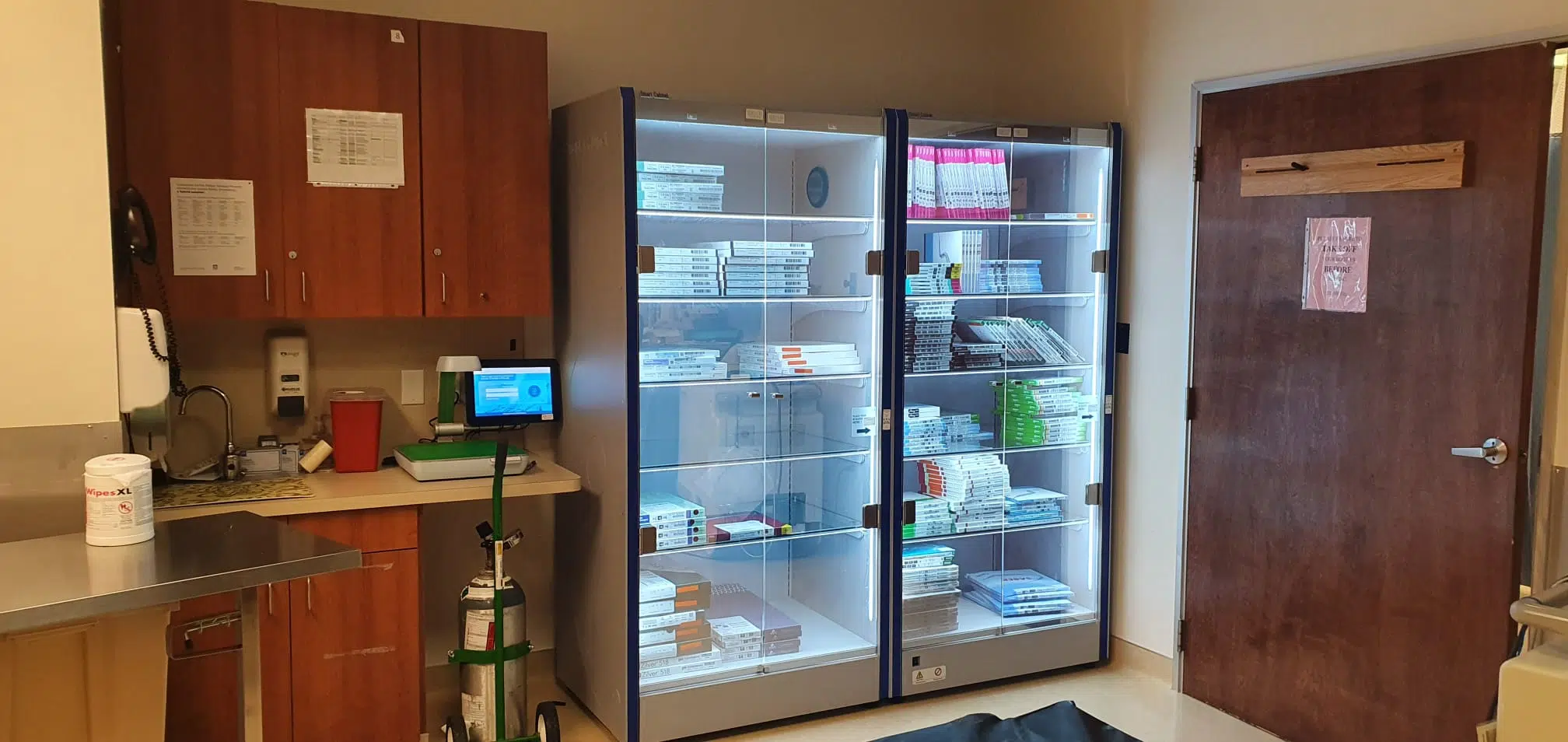
A combination of Total Sense smart cabinet and Snap & Go for usage capture and automated charting in a cath lab helps better manage the medical device supply chain
Full tracking of the medical device supply chain looks like this: Total Sense smart cabinet plus Snap & Go for 100% item and charge capture in the EHR—pictured here in a Cath Lab setting.


How Technology Improves Medical Device Supply Chain Management

Effectively managing the medical device supply chain budget is a vital component of financial performance for healthcare organizations. Better supply chain visibility not only reduces operational costs but also helps ensure clinicians have the right medical devices and supplies available when needed for patient care.

Modern healthcare inventory management systems, including RFID inventory tracking, smart cabinets, automated replenishment tools, and EHR-integrated platforms, provide real-time visibility, automated inventory tracking, usage analytics, and forecasting tools that help reduce waste and improve supply chain performance.

Embracing data-driven insights, advanced technologies, and collaborative decision-making ensures a streamlined and sustainable medical device supply chain that aligns with both financial and patient care goals. 

If you need to add efficiencies into your hospital supply chain management, then it’s time to contact us for ideas on the role technology can play in reducing labor, lowering costs, and adding efficiencies.

FAQ: 5 Medical Device Supply Chain Challenges Facing Healthcare Organizations

The biggest medical device supply chain challenges facing healthcare organizations include limited inventory visibility, expired or wasted supplies, product variance, inaccurate forecasting, and rising inventory carrying costs. These issues can increase operational expenses, create inefficiencies across hospital departments, and make it more difficult to ensure critical products are available when needed for patient care.

Modern healthcare inventory management systems help address these challenges through real-time tracking, automated replenishment, usage analytics, and better supply chain visibility.

Inventory visibility is important because hospitals and healthcare providers need accurate, real-time insight into where medical devices and supplies are located, how they are being used, and when inventory levels are changing.

Without real-time visibility, healthcare organizations may experience:

  • Expired or missing inventory
  • Overstocking and unnecessary purchasing
  • Supply shortages
  • Inaccurate forecasting
  • Increased operational costs

Healthcare inventory management technology helps improve visibility through automated tracking, RFID solutions, smart cabinets, and centralized inventory data.

Hospitals can reduce medical supply waste by improving inventory tracking, monitoring expiration dates, standardizing products, and using data-driven forecasting tools.

Common strategies include:

  • Implementing automated expiry management
  • Tracking inventory usage in real time
  • Reducing excess stock levels
  • Improving supply chain forecasting
  • Standardizing products across departments

Healthcare supply chain software and smart inventory systems help hospitals identify waste patterns and improve inventory efficiency while reducing unnecessary costs.

Healthcare supply chain inefficiencies are often caused by manual inventory processes, disconnected systems, poor forecasting, limited inventory visibility, and inconsistent product standardization.

Additional factors may include:

  • Supply chain disruptions
  • Labor shortages
  • Inaccurate purchasing data
  • Decentralized inventory storage
  • Lack of real-time tracking

These inefficiencies can increase costs, delay replenishment, and create operational challenges for hospitals and healthcare organizations.

Technology improves medical device supply chain management by providing real-time inventory visibility, automated tracking, usage analytics, and more accurate forecasting.

Healthcare organizations use technologies such as:

  • RFID inventory tracking
  • Smart cabinets
  • Automated replenishment systems
  • AI-driven forecasting
  • EHR-integrated inventory platforms

These solutions help reduce waste, optimize inventory levels, improve operational efficiency, and ensure critical medical supplies are available when needed.

Sign up for our digital library

About the author

Olivia Walker is IDENTI’s Global Marketing Director and has a wealth of experience in the health-tech sector. Her innovative marketing strategies have successfully driven IDENTI’s growth in multiple worldwide markets. Her strength is the ability to identify what truly resonates within the industry. She is passionate about building relationships and her expertise lies in creating meaningful partnerships with healthcare providers, distributors, and suppliers.